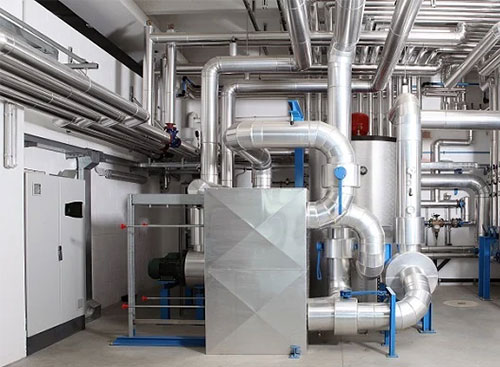
In today’s HVAC systems, the boundary between mechanical equipment and control electronics is blurrier than ever. The intersection of electrical products (contactors, relays, sensors) and industrial automation is becoming central to system performance, efficiency, and reliability.Electrical Products at the Heart of ControlThink of a compressor starting up: a motor draws high current. A contactor closes the circuit, the motor spins, and the system cools. If that contactor fails, the system might stall, overheat, or shut down. Reliable electrical products ensure safe switching, efficient operation, and long equipment life.In the context of the HVAC Industry, these electrical components are often unsung heroes, yet they’re critical. They ensure that the system responds correctly to automation commands, overload conditions, and safety interlocks.Industrial Automation: Smarter, More Responsive HVACAccording to recent industry analysis, automation is a key trend reshaping the HVAC Industry:A study on the top 10 HVAC Industry Trends in 2025 identifies connected HVAC, predictive maintenance, renewable integration, energy analytics & management as major drivers.Automation in HVAC systems helps reduce energy usage, improve maintenance scheduling, and lower lifecycle costs.Modern building automation protocols (BACnet/SC, KNX IoT) are being integrated into HVAC control systems to enhance performance and remote monitoring.This means that when you specify an HVAC system today, it’s not just about cooling capacity or heating wattage. It’s about control architecture, data analytics, seamless integration of mechanical and electrical systems, and the right electrical products and sensors to make it all reliable.Main Components of an HVAC SystemLet’s talk about the principal parts of an HVAC system and highlight where electrical products and automation come into play.Thermostat & Control InterfaceThis is the user interface (for a home) or the building management system in a larger facility. It’s where temperature is set, schedules are defined, and zones may be managed.Heating Unit (Furnace, Boiler, or Heat Pump)Furnace/Boiler: Burns fuel (gas, oil) or uses electric resistance to warm air/water.Heat Pump: Transfers heat from one place to another, and even works for both heating and cooling.Cooling Components (Evaporator & Condenser Coils, Compressor)These manage cooling via refrigerant cycles. The compressor is one of the most energy-intensive parts and must be controlled precisely.Air Handler & Blower MotorMoves air across coils and through ducts. The motor is driven by control signals. Here, electrical products like contactors and relays ensure the motor receives correct power and switches it on/off safely.Ductwork, Vents & DampersDistribute treated air into rooms or zones. Dampers regulate airflow. In more automated systems, dampers respond to zone commands from a control system (industrial automation link).Filters & Air Quality DevicesRemove particulates, allergens, and include UV lights or additional purification modules for better indoor air quality.Electrical Controls & Automation ComponentsThis is where the electrical product angle gets strong:Electrical contactors and relays control power to compressors and blower motors, enabling safe and efficient switching of high currents.Circuit breakers, overload protectors, and safety interlocks protect equipment and users.Sensors (temperature, humidity, CO₂, pressure) feed data to the control system.Building automation systems (BAS) or industrial automation platforms integrate all components for optimal performance, predictive maintenance, and energy savings.Why Does Proper HVAC Maintenance Matter?No matter how good your HVAC system is, it needs regular attention. In the HVAC Industry, maintenance is often the difference between smooth running and screaming repair bills.Over time, filters get clogged, coils get dirty, motors wear out, and electrical products may fail.The system must keep up with changes in occupancy, outside weather, building usage, and automation updates.Poor maintenance leads to inefficiency: higher energy bills, uneven temperature, poor air quality, and risk of failure.Simple Maintenance TipsChange or clean air filters regularly. A clogged filter forces the blower motor to work harder, increasing wear and energy use.Schedule annual inspections by professionals: check refrigerant levels, inspect coils, verify controls, and test safety devices.Keep exterior units (condensers) clean and free of debris; they need good airflow.Monitor for odd sounds, odors, or performance drops. If a compressor cycles unusually or a zone is always warm/cold, call for service.Ensure your control system and automation software are updated. Verify that all electrical products (contactors, relays, sensors) are functioning properly.In commercial or industrial settings, leverage analytics from your building automation system to spot anomalies early.Common HVAC Warning SignsHere are red flags that the HVAC system may not be performing optimally:Some rooms are too hot or too cold (zoning imbalance or duct/damper issue).Strange or loud noises from the blower, compressor, or fan (could indicate motor or bearing issues).Increased energy bills without any obvious change in building use (inefficiency creeping in).Poor airflow at vents or a weak air return is causing a pressure imbalance.The thermostat seems unresponsive, or zones don’t switch properly (automation/control fault).Excessive humidity or stuffy air ventilation could be compromised.The system cycles on/off frequently (short-cycling), which often points to a control fault or improper sizing.Unexpected breakdowns or frequent repair times may indicate to consider a system review or component replacement.Real-Time Data & Trends in the HVAC IndustryLet’s look at some recent figures and insights to underscore how relevant and dynamic the HVAC Industry is. These numbers help build authority and show that when you talk about HVAC systems, you’re referring to a large, evolving market.The global HVAC System market was valued at about USD 310.6 billion in 2024 and is expected to grow from USD 328.1 billion in 2025 to about USD 545.4 billion by 2034, at a CAGR of ~5.8%.Additionally, the following chart from MarketsandMarkets provides further validation of global HVAC market growth trends. According to their analysis, the HVAC system market is projected to grow from USD 289.99 billion in 2024 to USD 407.77 billion by 2030, at a CAGR of 6.4%, with the Asia Pacific identified as the fastest-growing region.Another estimate puts the global market for HVAC systems at USD 219.44 billion in 2024, projected to reach USD 403.06 billion by 2034 (CAGR ~6.27%).In the U.S., the HVAC equipment market (residential + commercial) is projected to grow from USD 22.44 billion in 2024 to USD 41.22 billion by 2033 CAGR of ~6.99%.The trend toward automation, smart systems, IoT integration, and energy efficiency is strong: For example, connected HVAC, predictive maintenance, and green refrigeration are identified as major innovation trends in 2025.According to employment projections, over 40,000 new HVAC jobs will be added every year through the next decade in the U.S., showing that the HVAC Industry is not just large, but growing in workforce needs too.These data points confirm that HVAC systems are not a nichethey are major installations in residential, commercial, and industrial settings. For anyone specifying or maintaining these systems, understanding the scale, trends, and technical depth matters.Putting It All Together: Why Understanding Your HVAC System Makes a DifferenceWhen you step back and view the whole picture, you’ll see that an HVAC system is more than just a unit on the roof or a furnace in the basement. It’s a complex network of mechanical, electrical, and control systems, working together to create comfortable indoor environments.Here are a few final points to keep in mind:Choosing the right HVAC system means considering: building size, occupancy, zones, climate, automation level, energy goals, and maintenance access.The selection of electrical products, contactors, relays, sensors, and controllers is just as important as the mechanical equipment. If controls fail or automation is weak, even the best hardware will underperform.In modern systems, industrial automation is a major differentiator. Systems that integrate smart controls respond faster, adapt to change, and often cost less in energy over time.Maintenance isn’t optional. With a market as large and as competitive as the HVAC Industry, systems that run long without interruption are valuable assets.Understanding the signs of aging or failing systems helps in timely upgrades or retrofits. The last thing you want is surprising downtime in the middle of summer or winter.